
CCS Multi-Tiered System of Supports (MTSS)
CCS MTSS is a school improvement framework that encompasses academic, behavioral, social, emotional, and beliefs instruction and support. CCS MTSS employs a systems approach using data-driven problem-solving to maximize growth for all.
North Carolina Department of Public Instruction offers a resource to help support all our educators who are supporting every students. This livebinder houses resources and implementation supports for North Carolina Schools as they implement North Carolina's Multi-Tiered System of Support (MTSS) framework. We hope you find this helpful! If you need information or have questions, please reach out to your Integrated Academic and Behavior Systems (IABS) consultant at the North Carolina Department of Public Instruction (NCDPI).
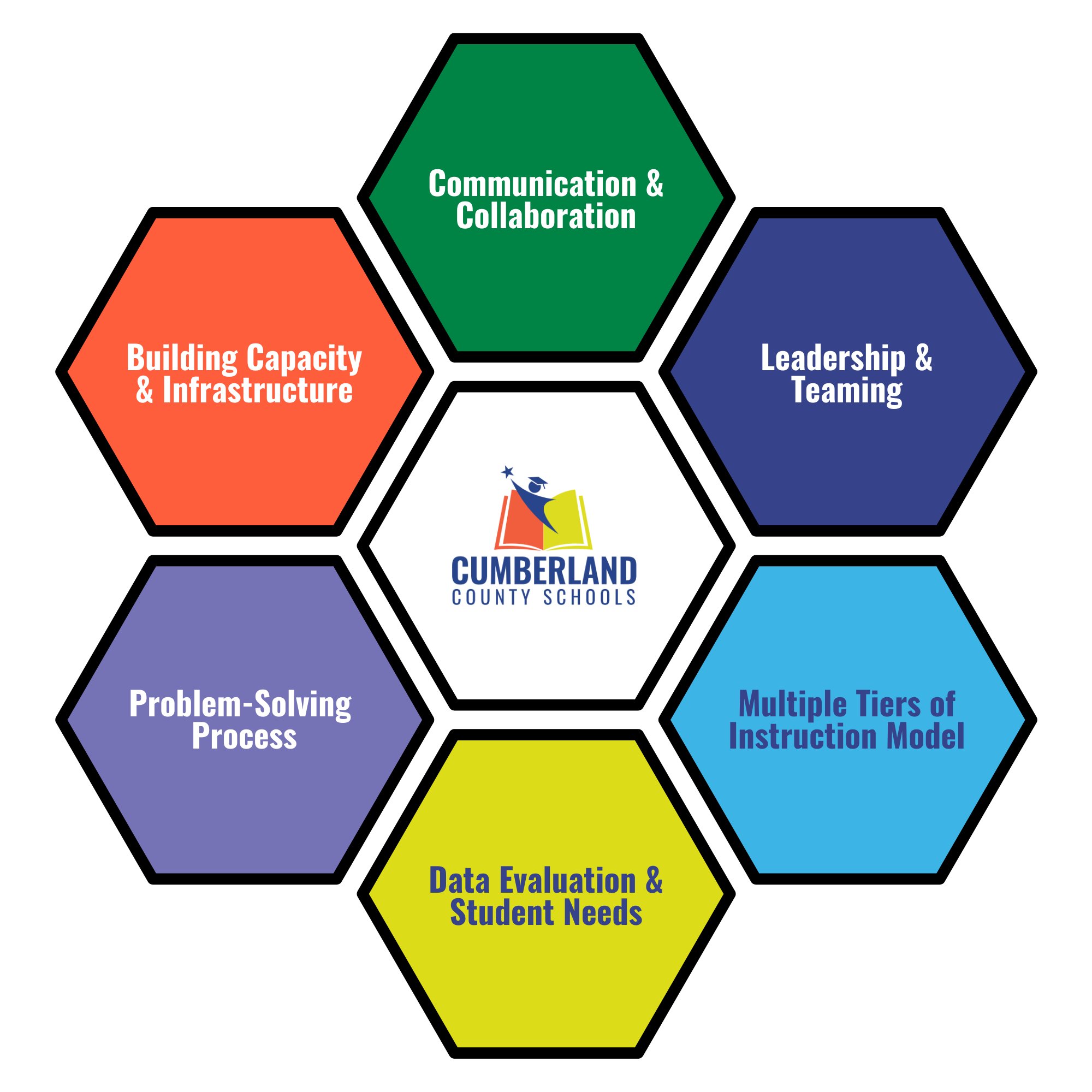
CCS MTSS Core Components
Six Critical Components of MTSS

Leadership & Teamwork
Leadership & Teaming
School leaders are essential for MTSS. They provide a clear vision, allocate resources, and model data-based problem-solving.

Building Capacity & Infrastructure
Infrastructure requires ongoing professional development, coaching, and schedules that allow for collaborative planning and intervention.

Communication & Collaboration
Success depends on involving stakeholders, including families and community partners, to build consensus and ensure continuous improvement.
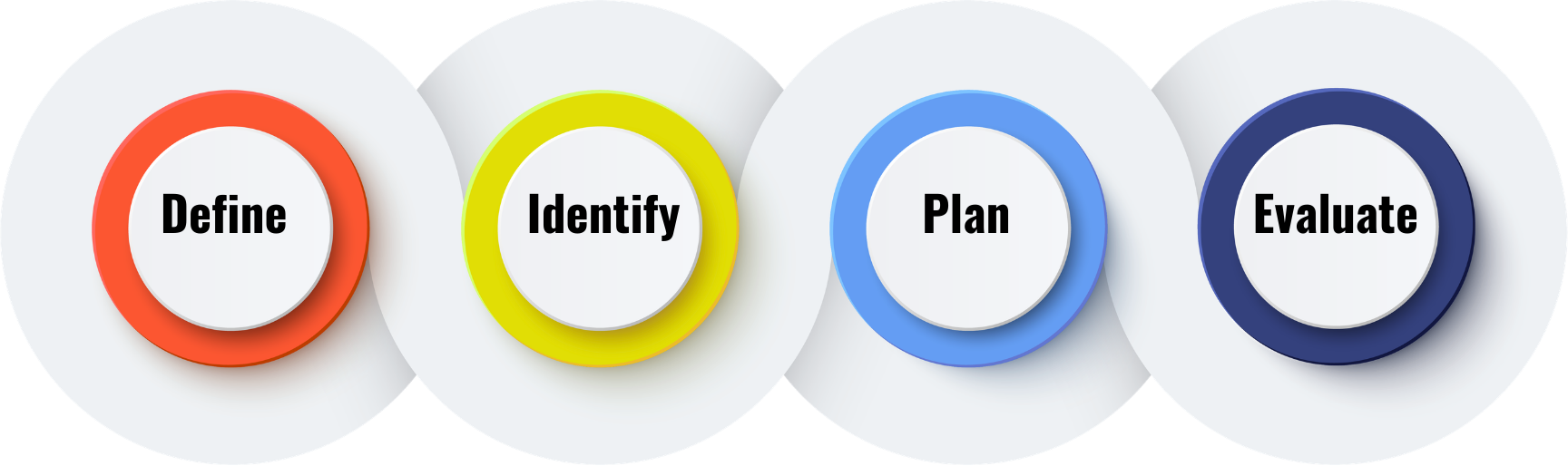
Problem-Solving Process
A four-step cycle (define, identify, plan, evaluate) is used to address student outcomes and remove implementation barriers.
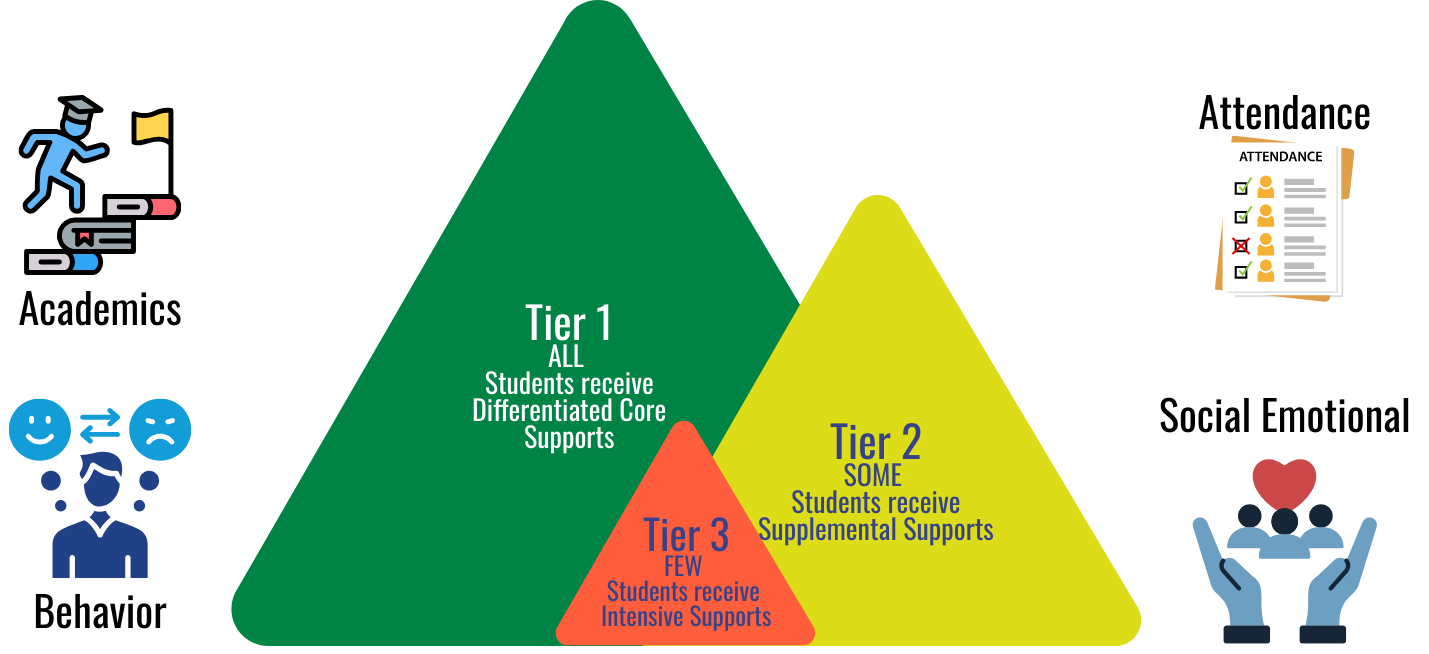
MTSS Pyramid of Instruction
Multiple Tiers of Instruction Model
Instruction is organized into three levels: Differentiated Core (all students), Supplemental (some students), and Intensive (individualized, high-level support) for both academics and behavior.

Data-Evaluation
Teams use student data and implementation fidelity checks to make informed educational decisions and improve the framework.
*Sourced from NC MTSS Implementation Guide 2.0